 English
 Español
  Português
  русский
  Français
  日本語
日本語  Deutsch
  tiếng Việt
  Italiano
  Nederlands
  ภาษาไทย
  Polski
  한국어
한국어  Svenska
  magyar
  Malay
Malay  বাংলা ভাষার
  Dansk
Dansk  Suomi
Suomi  हिन्दी
  Pilipino
  Türkçe
  Gaeilge
  العربية
  Indonesia
  Norsk
Norsk  تمل
تمل  český
český  ελληνικά
  український
  Javanese
  فارسی
فارسی  தமிழ்
தமிழ்  తెలుగు
  नेपाली
  Burmese
  български
  ລາວ
ລາວ  Latine
  Қазақша
  Euskal
  Azərbaycan
  Slovenský jazyk
  Македонски
  Lietuvos
  Eesti Keel
  Română
  Slovenski
  मराठी
मराठी  Srpski језик

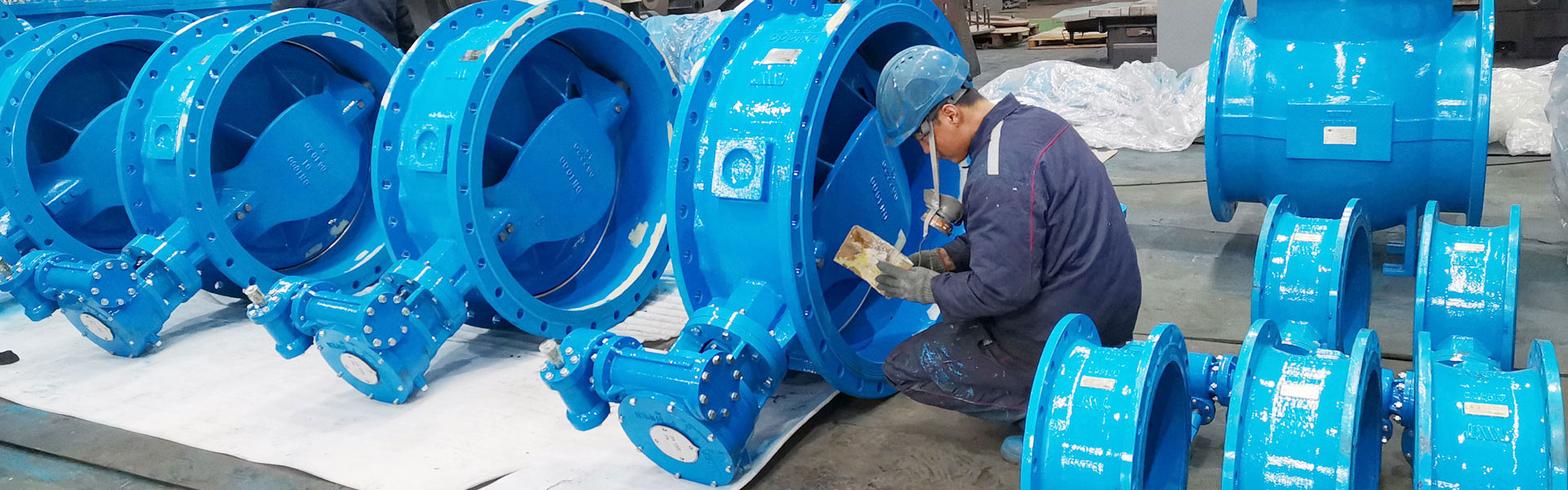
What Makes an On Off Butterfly Valve Essential in Modern Flow Control?
On Off Butterfly Valve systems are vital components in piping and process industries where quick isolation and flow control are required. These valves serve as reliable shut‑off devices that operate in either fully open or fully closed states, making them ideal for isolation duties rather than gradual flow regulation.
This comprehensive guide explores everything you need to know about on/off butterfly valves — from how they work and where they’re used to how to choose the right one for your system, featuring insights relevant to engineers, purchasers, and technicians alike.
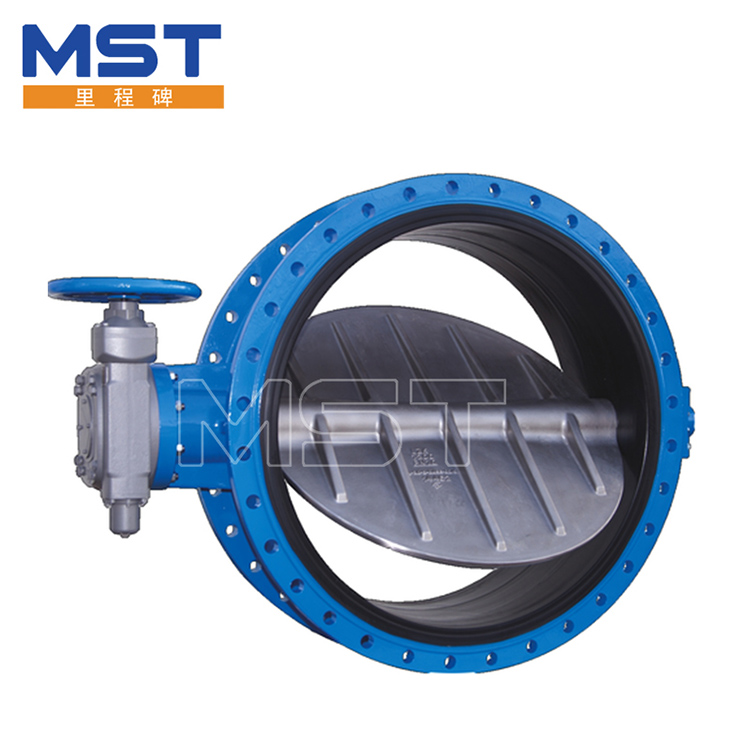
Table of Contents
- What Is an On Off Butterfly Valve?
- How Do On Off Butterfly Valves Work?
- Why Choose an On Off Butterfly Valve?
- Which Applications Are Best for These Valves?
- What Are Key Types and Features of On Off Butterfly Valves?
- How Select the Right On Off Butterfly Valve?
- Frequently Asked Questions (FAQ)
1. What Is an On Off Butterfly Valve?
An On Off Butterfly Valve is a quarter‑turn isolation valve designed to either permit full flow or completely stop the movement of fluid in a pipeline. Unlike regulating valves that provide proportional control, on/off butterfly valves serve as discrete control elements — either fully open or fully closed — for fast actuation.
These valves are widely adopted because of their compact design and cost‑effective performance when compared to alternatives like gate or globe valves.
2. How Do On Off Butterfly Valves Work?
Butterfly valves consist of a disc mounted on a central shaft inside a valve body. When the actuator or handle rotates the shaft 90°, the disc turns to either allow fluid passage or block flow. This simple quarter‑turn motion enables rapid operation, which is crucial for many industrial isolation applications.
Core Components
- Valve Body – Houses internal parts and connects with the pipeline.
- Disc – The movable plate that controls flow.
- Shaft/Stem – Transmits motion from actuator to disc.
- Seat – Ensures a seal when the valve is closed.
- Actuator – Manual, pneumatic, or electric device that controls disc motion.
3. Why Choose an On Off Butterfly Valve?
On off butterfly valves deliver multiple benefits that make them preferred choices in various industries:
- Fast Actuation: Quick quarter‑turn motion enhances response time for isolation tasks.
- Compact and Lightweight: Smaller footprint than many other valve designs.
- Cost‑Effective: Lower manufacturing and maintenance cost due to simple construction.
- Low Pressure Drop: Minimal obstruction when fully open maintains efficient flow.
- Flexible Actuation: Operable via manual handles or automated actuators for remote control.
4. Which Applications Are Best for These Valves?
On off butterfly valves are commonly found in the following sectors:
- Water and Wastewater Treatment – Shutting off flow in large pipelines.
- HVAC Systems – Isolating sections of heating or cooling circuits.
- Industrial Processes – Bulk chemical handling and plant isolation duties.
- Oil & Gas Pipelines – Quick emergency isolation.
- Marine and Power Plants – Large flow management applications.
5. What Are Key Types and Features of On Off Butterfly Valves?
There are multiple configurations and materials that influence valve selection:
| Type | Description | Best Use |
|---|---|---|
| Wafer | Lightweight, fits between flanges | General purpose |
| Lug | Lugged body with threaded connections | Dead‑end service |
| Double Flanged | Flanges on both ends | High pressure systems |
| Triple Offset | Metal seat for tight shut‑off | Severe service applications |
Material choices — such as stainless steel, cast iron, or polymer liners — impact corrosion resistance and temperature/pressure handling.
6. How to Select the Right On Off Butterfly Valve?
Consider the following criteria:
- Media Type: Liquids, gases, slurry — select material appropriately.
- Pressure and Temperature Ratings: Ensure compatibility with process conditions.
- End Connection: Wafer or lug type based on installation needs.
- Actuation Method: Manual for simple systems, pneumatic/electric for automation.
- Certification & Standards: Compliance with API, ISO, or ANSI where required.
7. Frequently Asked Questions (FAQ)
What is the difference between on/off and regulating butterfly valves?
On/off butterfly valves are designed for discrete control — fully open or closed — while regulating butterfly valves allow proportional flow control with feedback signals for precise modulation.
Can on/off butterfly valves be automated?
Yes — they can be outfitted with pneumatic or electric actuators for remote or automatic operation in industrial settings.
Are butterfly valves suitable for high‑pressure applications?
Standard butterfly valves handle moderate pressures well, but for very high pressure or critical isolation tasks, high‑performance or triple offset designs should be considered.
How often should these valves be maintained?
Maintenance schedules vary by application, but regular inspection of seals and actuators ensures reliable performance and long service life.
What industries rely most on on/off butterfly valves?
Water treatment, HVAC, chemical processing, marine, and general industrial sectors frequently value the quick, reliable shut‑off provided by on/off butterfly valves.
About Tianjin Milestone Valve Company: As a trusted provider of high‑quality industrial valves, Tianjin Milestone Valve Company offers a complete range of durable on/off butterfly valves tailored to diverse applications. Our products combine efficient design with rugged performance to meet stringent industry requirements.
If you have project needs, system questions, or want to learn more about the ideal valve solutions for your application — contact us to get expert guidance and competitive pricing tailored to your business goals!
Send Inquiry



X
We use cookies to offer you a better browsing experience, analyze site traffic and personalize content. By using this site, you agree to our use of cookies.
Privacy Policy