 English
 Español
  Português
  русский
  Français
  日本語
日本語  Deutsch
  tiếng Việt
  Italiano
  Nederlands
  ภาษาไทย
  Polski
  한국어
한국어  Svenska
  magyar
  Malay
Malay  বাংলা ভাষার
  Dansk
Dansk  Suomi
Suomi  हिन्दी
  Pilipino
  Türkçe
  Gaeilge
  العربية
  Indonesia
  Norsk
Norsk  تمل
تمل  český
český  ελληνικά
  український
  Javanese
  فارسی
فارسی  தமிழ்
தமிழ்  తెలుగు
  नेपाली
  Burmese
  български
  ລາວ
ລາວ  Latine
  Қазақша
  Euskal
  Azərbaycan
  Slovenský jazyk
  Македонски
  Lietuvos
  Eesti Keel
  Română
  Slovenski
  मराठी
मराठी  Srpski језик

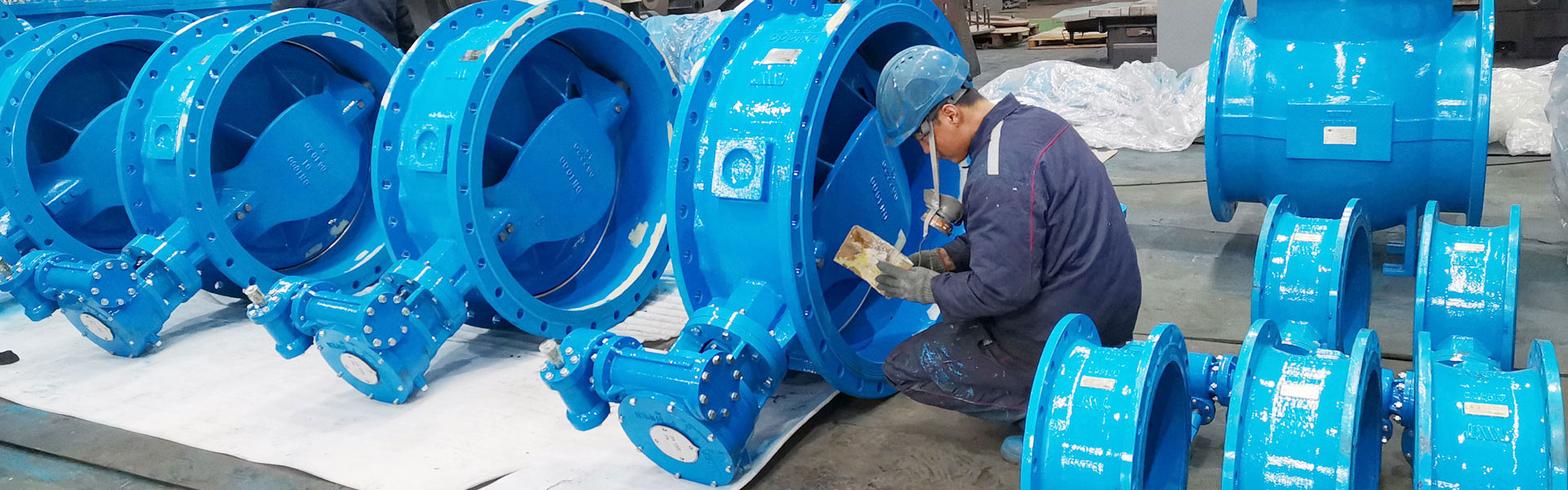
How to choose electric valve and pneumatic valve
1:The power source of the electric valve actuator is the power source. If the circuit board or the motor fails, sparks are likely to occur. Therefore, it is generally used in the environment where the environmental requirements are not high and there is no danger. The adjustment performance of the pneumatic actuator and the electric actuator is compared. The response speed is faster and it is more suitable for application in regulating conditions. Therefore, manufacturers that produce regulating valves also produce pneumatic actuators to match them.
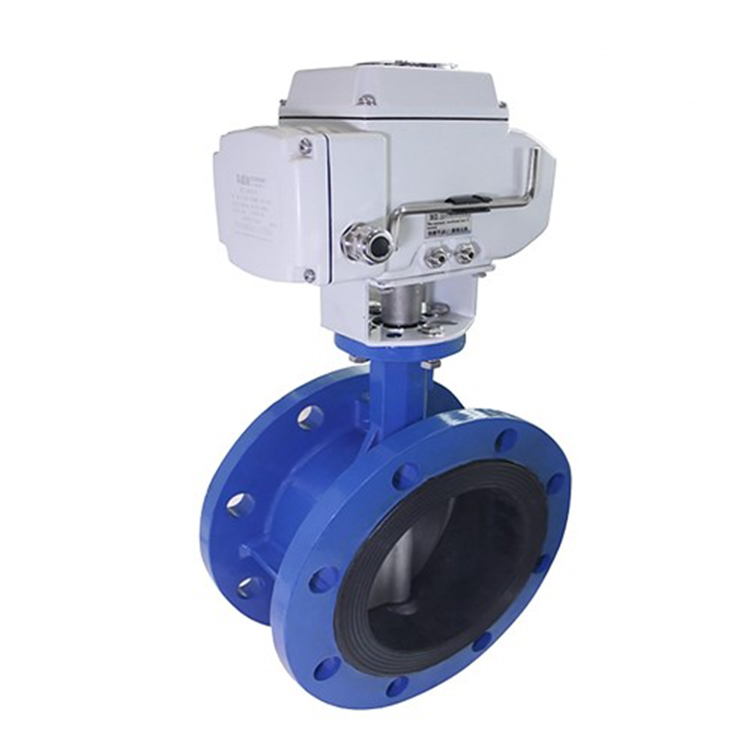
2:The adjustment response speed of the electric actuator is not fast enough. Taking ROTORK as an example, the adjustment number of the regulating actuator is only 1200 times per hour, so the pneumatic actuator on the regulating valve has more applications than the electric actuator.
3:The essential difference between electric valve and pneumatic valve lies in the use of different driving devices, that is, actuators, while there is no difference between the regulating valve itself. Cooperating with different actuators is mainly due to working conditions, such as chemical industry and other explosion-proof occasions, the most used are pneumatic valves, because of high safety requirements and low prices. With intelligent positioners, they can be connected to the bus and the control method is simple.
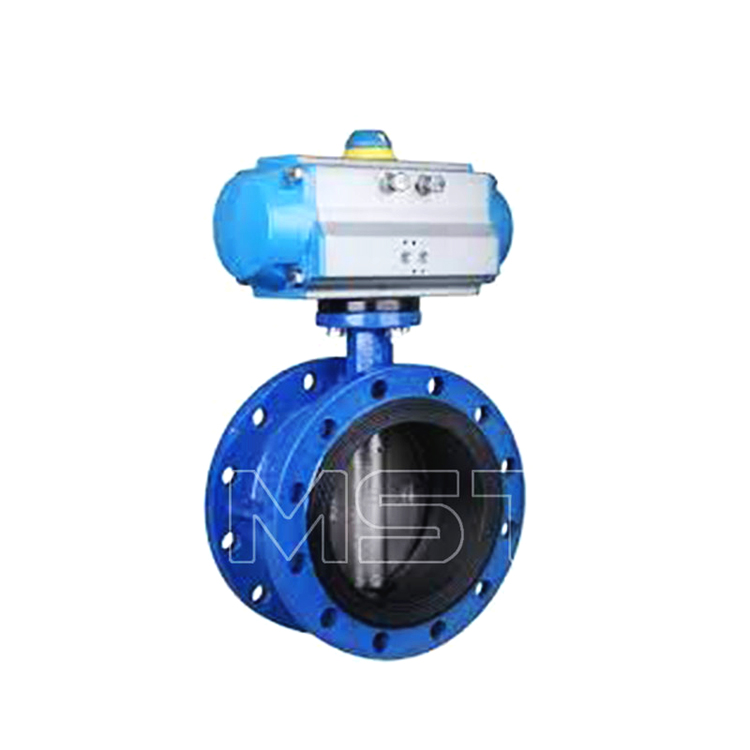
4:Pneumatic valve has a larger operating torque than electric valves. The switching speed of pneumatic valves can be adjusted. The structure is simple and easy to maintain. Due to the cushioning characteristics of the gas itself, it is not easy to be damaged due to jamming during the operation, but there must be a gas source, and Its control system is also more complicated than electric valves. Pneumatic valves are sensitive, safe and reliable. Many factories with high control requirements set up compressed air stations for pneumatic instrument control components. The power source of the pneumatic valve actuator is the air source. The air source comes from the air compressor. The positioner is used to convert the electric control signal into the pneumatic control signal, and the pneumatic actuator is driven to adjust the valve position.
Previous:How to choose valve material
Send Inquiry



X
We use cookies to offer you a better browsing experience, analyze site traffic and personalize content. By using this site, you agree to our use of cookies.
Privacy Policy