English
 Español
  Português
  русский
  Français
  日本語
日本語  Deutsch
  tiếng Việt
  Italiano
  Nederlands
  ภาษาไทย
  Polski
  한국어
한국어  Svenska
  magyar
  Malay
Malay  বাংলা ভাষার
  Dansk
Dansk  Suomi
Suomi  हिन्दी
  Pilipino
  Türkçe
  Gaeilge
  العربية
  Indonesia
  Norsk
Norsk  تمل
تمل  český
český  ελληνικά
  український
  Javanese
  فارسی
فارسی  தமிழ்
தமிழ்  తెలుగు
  नेपाली
  Burmese
  български
  ລາວ
ລາວ  Latine
  Қазақша
  Euskal
  Azərbaycan
  Slovenský jazyk
  Македонски
  Lietuvos
  Eesti Keel
  Română
  Slovenski
  मराठी
मराठी  Srpski језик
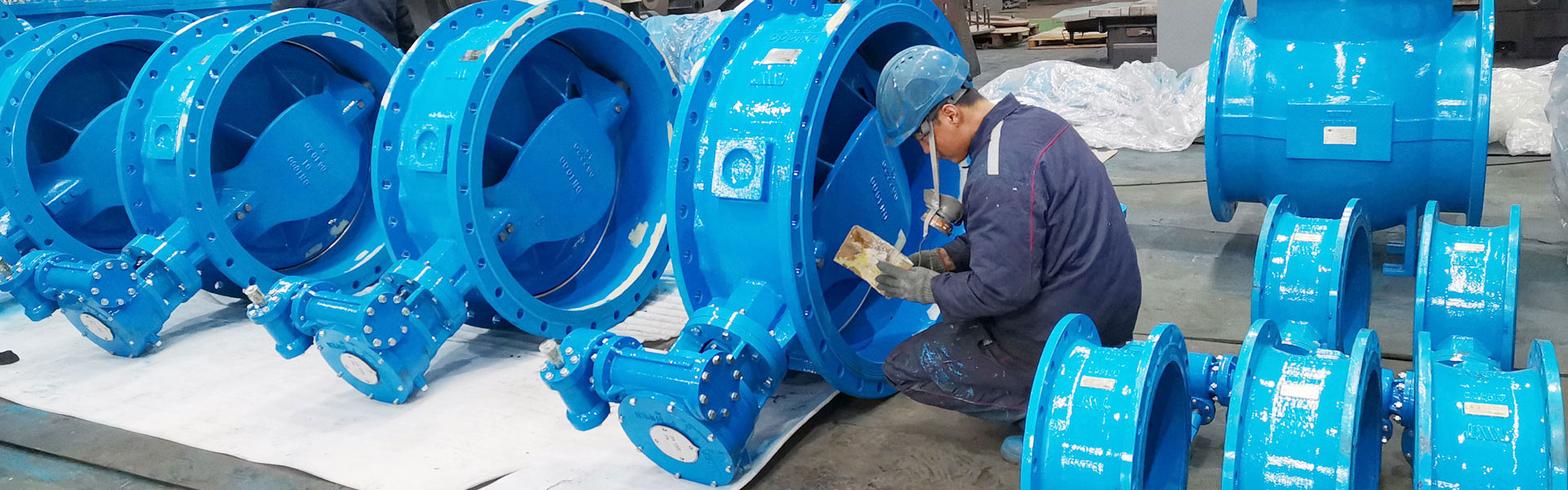
Across industries ranging from petrochemical processing to municipal water treatment, the Stainless Steel Butterfly Valve has established itself as a cornerstone of modern flow control technology. This comprehensive article examines the engineering principles, operational characteristics, and diverse applications that make these valves indispensable in critical infrastructure. Beginning with an exploration of the triple-offset design that revolutionized sealing performance, the discussion progresses through material science considerations, actuation methods, installation best practices, and maintenance protocols. The Stainless Steel Butterfly Valve offers distinct advantages in high-temperature, corrosive, and high-cycle service conditions where other valve types may falter. Through detailed analysis of performance parameters, industry standards, and real-world application scenarios, this guide provides engineers, facility managers, and procurement specialists with the knowledge necessary to specify, install, and maintain these critical components effectively. The content addresses both fundamental principles and advanced considerations, ensuring relevance for professionals at every level of expertise.
- 1. The Evolution of Butterfly Valve Technology
- 2. Understanding the Triple-Offset Design Principle
- 3. Material Selection and Corrosion Resistance
- 4. Performance Parameters and Operating Limits
- 5. Actuation Methods and Control Integration
- 6. Installation Best Practices for Long-Term Reliability
- 7. Maintenance Strategies and Troubleshooting
- 8. Industry Standards and Quality Assurance
- 9. Frequently Asked Questions
- 10. Conclusion
1. The Evolution of Butterfly Valve Technology
The journey of flow control technology has been marked by continuous innovation, with the Stainless Steel Butterfly Valve representing a significant milestone in this evolution. Early butterfly valves, dating back to the mid-20th century, utilized simple concentric designs where the disc and seat shared a common center axis. While functional for basic applications, these early designs suffered from inherent limitations: excessive friction during operation, accelerated seat wear, and compromised sealing integrity under high-pressure or high-temperature conditions.
The introduction of eccentric designs marked the first major advancement. By offsetting the disc's rotation axis from the seat center, engineers reduced friction and extended service life. However, it was the development of the triple-offset (or triple-eccentric) design that truly transformed the Stainless Steel Butterfly Valve into a high-performance solution capable of competing with gate, globe, and ball valves in demanding applications.
Today's stainless steel butterfly valves incorporate advanced metallurgy, precision machining, and sophisticated sealing technologies. The integration of multi-layer metal hard seals, combined with stainless steel construction, enables these valves to operate reliably at temperatures up to 425°C while maintaining excellent corrosion resistance. This evolution has expanded the application envelope from simple water lines to critical services in petrochemical plants, power generation facilities, and marine environments.
The modern stainless steel butterfly valve offers a compelling combination of attributes: compact footprint, lightweight construction, rapid operation, and exceptional flow characteristics. Unlike traditional gate valves that require multiple turns to open or close, butterfly valves achieve full operation with a 90-degree rotation, enabling quick response in emergency shutdown scenarios. This operational efficiency, combined with the durability of stainless steel construction, has established the butterfly valve as the preferred choice for numerous industrial applications.
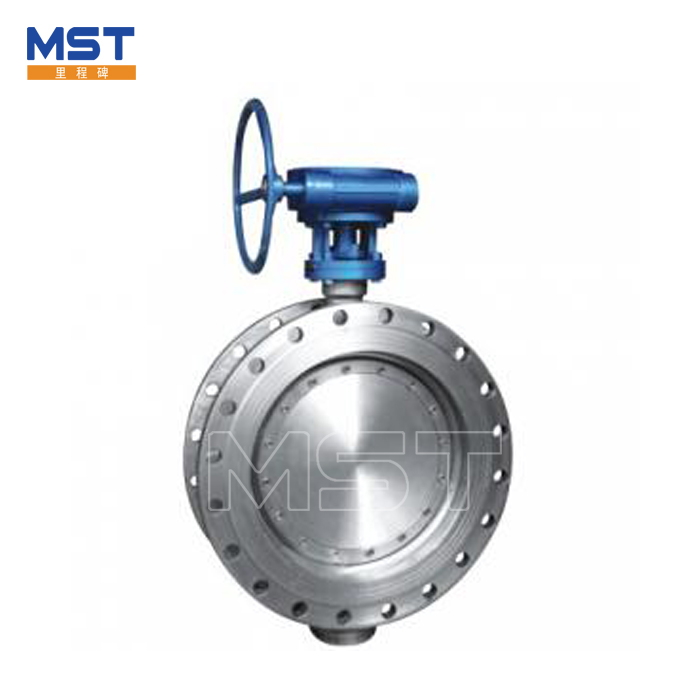
2. Understanding the Triple-Offset Design Principle
At the heart of high-performance Stainless Steel Butterfly Valve design lies the triple-offset geometry, a sophisticated engineering approach that addresses the fundamental challenges of sealing and friction in rotary valves. This design incorporates three distinct offsets that work in concert to achieve near-frictionless operation and bubble-tight shutoff.
First Offset
The first offset positions the valve stem behind the disc sealing plane. This eccentricity ensures that the disc moves away from the seat during the initial opening stroke, reducing friction and wear. As the valve closes, the disc engages the seat with a gentle wiping action that cleans the sealing surfaces.
Second Offset
The second offset displaces the stem from the valve centerline. This configuration creates a cam-like action during rotation, further reducing the contact between the disc and seat until the final moments of closure. The result is minimal friction throughout the operating range.
Third Offset
The third offset involves the geometry of the sealing surfaces themselves. The seat and disc sealing faces are designed with a tapered or conical profile that ensures line contact rather than surface contact at the point of closure. This geometry concentrates sealing force, achieving superior shutoff with lower actuation torque.
Synergistic Effect
When combined, these three offsets produce a valve that operates with minimal friction, maintains sealing integrity across a wide temperature range, and delivers extended service life. The triple-offset design enables the use of metal-to-metal seals, eliminating the temperature limitations of elastomeric seals while providing fire-safe performance.
The triple-offset design also enables the valve to achieve bidirectional sealing, meaning it can provide effective shutoff regardless of the flow direction. This characteristic is particularly valuable in applications where flow reversal may occur, such as in pump bypass systems or dual-direction pipelines. The metal hard seal construction, typically utilizing different hardness materials for the seat and disc sealing surfaces, provides exceptional resistance to wear and erosion.
3. Material Selection and Corrosion Resistance
The selection of appropriate materials for a Stainless Steel Butterfly Valve is critical to its performance and longevity in service. While the term "stainless steel" encompasses a broad family of alloys, the specific grade chosen must match the operating environment's demands.
| Component | Material Options | Key Properties |
|---|---|---|
| Valve Body | CF8M, CF3M, 316L, 304 | Corrosion resistance, strength, castability |
| Disc Plate | 316L, 304, Duplex Stainless | Wear resistance, hardness matching |
| Stem/Shaft | 316, 17-4PH, Duplex Steel | Torsional strength, corrosion resistance |
| Seat Ring | Stellite overlay, 316, PTFE | Hardness, wear resistance, sealing |
| Sealing Elements | NBR, EPDM, FKM, PTFE | Temperature range, chemical compatibility |
The corrosion resistance of stainless steel arises from the formation of a passive chromium oxide layer on the surface. In aggressive environments containing chlorides, acids, or other corrosive agents, the selection of molybdenum-containing grades such as 316L or duplex stainless steels becomes essential. These alloys provide enhanced resistance to pitting and crevice corrosion, ensuring reliable operation in marine, chemical, and wastewater applications.
For the sealing surfaces, the use of different hardness materials between the seat and disc creates a durable, wear-resistant interface. Hard-facing alloys such as Stellite are often applied to the sealing surfaces to extend service life in abrasive or high-cycle applications. The stem material must possess sufficient strength to transmit actuation torque while maintaining corrosion resistance comparable to the body and disc materials.
4. Performance Parameters and Operating Limits
Understanding the performance parameters of a Stainless Steel Butterfly Valve is essential for proper specification and application. These parameters define the operational envelope within which the valve will perform reliably.
Size Range
DN200 through DN3000, accommodating a wide spectrum of pipeline diameters from medium to very large scale systems.
Pressure Ratings
PN 0.6 to 1.6 MPa, suitable for low to medium pressure applications typical of water treatment, HVAC, and many industrial processes.
Temperature Range
-15°C to 200°C standard, with specialized designs capable of operating up to 425°C for high-temperature industrial applications.
Connection Types
Flanged, wafer, butt weld, and lug configurations available to suit various piping system requirements and installation preferences.
Actuation Options
Manual (lever or gear), pneumatic, hydraulic, or electric actuation to match control system requirements and operational needs.
Sealing Types
Soft seal (elastomeric) or metal hard seal options available, with hard seal providing higher temperature capability and fire-safe performance.
The selection between soft seal and metal hard seal configurations represents a critical decision point. Soft seal valves, utilizing materials such as NBR, EPDM, or FKM, offer excellent sealing at lower pressures and temperatures, with the elastomer providing conformity to the sealing surface. Metal hard seal valves, employing multi-layer metal construction, deliver superior performance at elevated temperatures and in abrasive services, though they may require higher actuation torque to achieve shutoff.
The applicable medium range for stainless steel butterfly valves encompasses water, oil, gas, and various corrosive media, making them versatile components across multiple industries. The stainless steel construction provides resistance to a broad spectrum of chemicals, though specific compatibility should be verified for aggressive or exotic media.
5. Actuation Methods and Control Integration
The actuation method selected for a Stainless Steel Butterfly Valve significantly influences its operational characteristics, response time, and integration with control systems. The available options range from simple manual operation to sophisticated automated solutions.
Manual Actuation
- Lever operation for small to medium sizes
- Gear operator for larger sizes or higher torque requirements
- Ideal for infrequent operation and maintenance applications
- Lowest initial cost and simplest maintenance
Electric Actuation
- Precise positioning with proportional control capability
- Integration with DCS, PLC, and SCADA systems
- Multiple voltage options for global compatibility
- Modulating or on-off control variants available
Pneumatic Actuation
- Fast response suitable for safety and emergency applications
- Spring-return or double-acting configurations
- Explosion-proof operation without electrical components
- Wide availability of instrument air in industrial facilities
Hydraulic Actuation
- High torque output for large valves or high-pressure services
- Smooth, controlled operation with minimal shock
- Self-contained power units available
- Ideal for subsea or remote locations
The selection of actuation method involves consideration of several factors: available power sources, required response time, control precision needs, environmental conditions, and maintenance capabilities. In hazardous areas, pneumatic or hydraulic actuation may be preferred to eliminate electrical ignition sources. For applications requiring frequent cycling or precise flow modulation, electric actuation with position feedback offers the greatest control flexibility.
Integration with modern control systems has become increasingly sophisticated, with smart actuators offering diagnostic capabilities, communication protocols (such as HART, Profibus, or Foundation Fieldbus), and predictive maintenance features. These advanced capabilities enable condition monitoring and remote troubleshooting, reducing unplanned downtime and optimizing maintenance schedules.
6. Installation Best Practices for Long-Term Reliability
Proper installation of a Stainless Steel Butterfly Valves is essential to achieving its designed performance and service life. The following best practices address the key considerations for successful installation.
Pre-Installation Inspection
Verify that the valve matches the specified size, pressure rating, material, and connection type. Inspect for any shipping damage, ensure the valve is clean internally, and check that the disc operates freely through its full range of motion.
Piping Preparation
Ensure that the pipe ends are clean, square, and properly aligned. Remove any burrs, weld slag, or debris that could damage the sealing surfaces. For flanged connections, verify that flange faces are parallel and within tolerance.
Orientation Considerations
Install the valve with the disc in the closed position for wafer-type connections to facilitate centering between flanges. For flanged valves, ensure proper gasket selection and bolt torque sequence to achieve uniform compression.
Bolting and Torque
Follow manufacturer recommendations for bolt torque values and sequence. Use a calibrated torque wrench and apply torque in a cross-pattern to ensure even loading. Re-torque after initial thermal cycling if specified.
Actuator Mounting
Ensure proper alignment between the valve stem and actuator output shaft. Verify that the mounting bracket provides adequate support and that the coupling is securely fastened. Check the limit switch settings for correct open and closed positions.
System Testing
After installation, perform a functional test of the valve through its full operating range. Check for any leakage at connections, verify that the actuator operates smoothly, and confirm that the valve achieves positive shutoff when closed.
For wafer-type butterfly valves, proper centering between the pipeline flanges is critical. The valve body should be centered using alignment pins or by carefully positioning during flange tightening. Over-tightening flange bolts can distort the valve body, affecting disc operation and sealing performance. The use of proper gaskets and adherence to torque specifications prevents damage and ensures reliable sealing.
In systems with significant thermal expansion, consideration should be given to pipe anchors and expansion joints to prevent excessive loads on the valve. The valve should not be used to correct pipe misalignment, as this imposes stress that can lead to premature failure of the stem, bearings, or sealing components.
7. Maintenance Strategies and Troubleshooting
Effective maintenance of a Stainless Steel Butterfly Valve ensures continued reliable performance and extends service life. A proactive maintenance program addresses both routine care and potential issues before they result in failure.
Routine Inspection
- Visual inspection for external leakage or corrosion
- Check actuator operation and full stroke travel
- Verify limit switch and position indicator accuracy
- Inspect stem seal for signs of weeping or leakage
Preventive Maintenance
- Lubricate stem and bearings per manufacturer schedule
- Clean debris from actuator and mounting hardware
- Check and tighten bolting if required
- Exercise valve through full cycle periodically
Common Issues
- Stem leakage: inspect and replace stem seals
- Seat leakage: check for debris, seat damage, or misalignment
- Difficult operation: verify actuator torque, inspect bearings
- Disc binding: check for pipe strain or debris accumulation
Overhaul Procedures
- Isolate and depressurize system before disassembly
- Inspect and measure disc, seat, and stem for wear
- Replace sealing components as required
- Reassemble with new gaskets and proper torque
The frequency of maintenance activities depends on service conditions, including the number of operating cycles, temperature, pressure, and the nature of the flowing medium. Valves in severe service, such as those handling abrasive slurries or operating at high temperatures, require more frequent inspection and maintenance than those in clean water service.
For metal-seated triple-offset valves, the sealing surfaces can often be refurbished through machining or grinding, extending service life without complete valve replacement. This capability, combined with the inherent durability of stainless steel construction, makes these valves a cost-effective long-term solution for demanding applications.
8. Industry Standards and Quality Assurance
Manufacturing and testing of Stainless Steel Butterfly Valve components are governed by a comprehensive framework of international and national standards. Compliance with these standards ensures consistent quality, interchangeability, and performance.
Chinese national standard for general-purpose butterfly valves, covering design, materials, testing, and marking requirements.
Chinese mechanical industry standard specifically for metal-seated butterfly valves, addressing the unique requirements of hard-seal designs.
American Petroleum Institute standard for butterfly valves, widely recognized in the oil, gas, and petrochemical industries worldwide.
European standard for industrial butterfly valves, harmonizing requirements across European Union member states.
German standard for butterfly valves, providing detailed specifications for design, testing, and documentation.
Quality assurance programs for stainless steel butterfly valves typically include material certification (mill test reports), dimensional inspection, pressure testing (shell and seat tests), and visual inspection of all components. Many manufacturers maintain ISO 9001 certification, demonstrating commitment to quality management systems.
For critical applications, additional testing may be required, including fugitive emissions testing, fire-safe testing (per API 607 or ISO 10497), and high-pressure or high-temperature performance verification. The selection of appropriate testing protocols should align with the specific requirements of the application and applicable codes and standards.
9. Frequently Asked Questions
What is the difference between soft seal and metal hard seal in a Stainless Steel Butterfly Valve?
What temperature range can a Stainless Steel Butterfly Valve handle?
What connection types are available for Stainless Steel Butterfly Valves?
What actuation options are available for these valves?
What are the typical applications for a Stainless Steel Butterfly Valve?
10. Conclusion
The Stainless Steel Butterfly Valve represents the culmination of decades of engineering refinement, offering a flow control solution that balances performance, durability, and operational efficiency. The triple-offset design, with its innovative approach to sealing geometry, has elevated the butterfly valve from a simple on-off device to a precision instrument capable of meeting the most demanding industrial requirements.
Throughout this comprehensive exploration, we have examined the fundamental principles that govern butterfly valve operation, the critical role of material selection in ensuring corrosion resistance, and the performance parameters that define the operational envelope. The versatility of these valves is evident in their wide range of applications, from municipal water treatment to high-temperature petrochemical processes. The availability of multiple actuation methods and connection configurations ensures that a suitable solution exists for virtually any flow control challenge.
Proper installation and maintenance practices are essential to realizing the full potential of these valves. By adhering to industry standards and manufacturer recommendations, engineers and facility managers can ensure reliable operation and extended service life. The robust construction of stainless steel, combined with the advanced sealing technology of the triple-offset design, provides a level of durability that minimizes downtime and maintenance requirements.
As industries continue to demand higher performance, greater reliability, and enhanced safety from their flow control equipment, the stainless steel butterfly valve will remain a cornerstone technology. Its ability to deliver consistent, reliable performance across a broad spectrum of applications, combined with its compact design and operational efficiency, ensures its continued relevance in the evolving landscape of industrial infrastructure.